

Peyronie’s Disease: Cause Stage and More
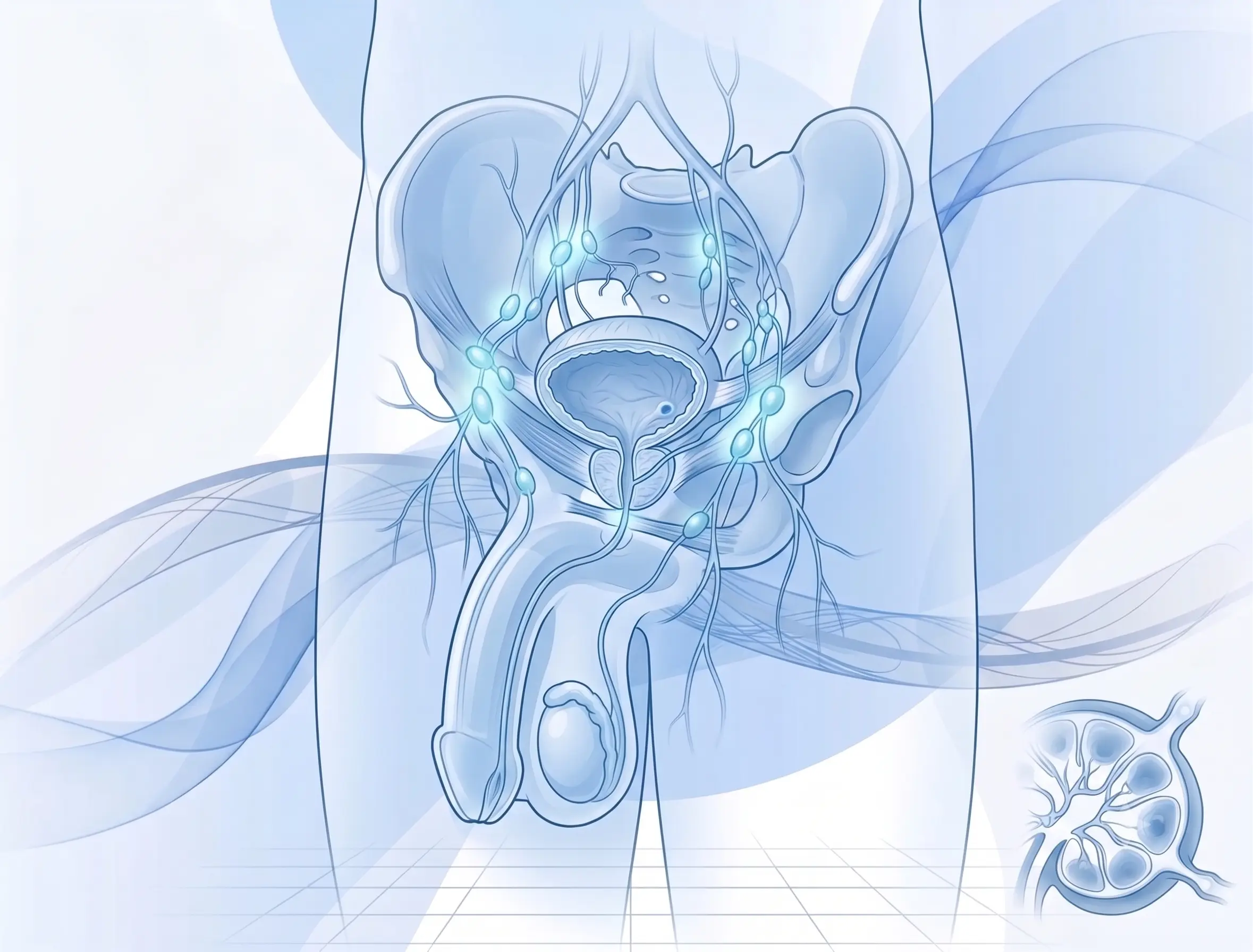
What is Peyronie’s disease? Find Here:
Peyronie’s disease is a condition in which scar tissue, known as a plaque, develops within the fibrous layer of the penis. This can cause the penis to bend or curve during an erection and, in some men, can be associated with pain, narrowing or shortening of the penis and difficulties with sexual intercourse.
Peyronie’s disease can be distressing and may affect both sexual confidence and relationships.
However, there are a range of treatment options available, and the most appropriate approach depends on the severity of the curvature, whether the condition is still changing and how significantly it is affecting you.
Under the guidance of Dr. Giulio Garaffa, We provide a comprehensive assessment to understand the nature of your Peyronie’s disease and discuss the treatment options most appropriate for your individual circumstances.
Your Peyronie’s Disease Assessment
The first step is a detailed consultation.
We will discuss when you first noticed the curvature, whether it has changed over time, any pain or discomfort during erections, changes in penile length or shape, and whether the condition is affecting sexual intercourse.
A physical examination is performed to assess the location and extent of the plaque and the degree of curvature.
It can also be helpful to provide photographs of the erect penis taken at home from different angles. These can allow the curvature to be assessed accurately without the need for an erection during the consultation.
Depending on your symptoms and examination findings, further assessment are done.
Penile Ultrasound and Doppler Scanning
A penile ultrasound can provide detailed information about the plaque and the tissues of the penis. It can help identify the location and extent of the scar tissue and assess the underlying erectile structures.
Penile Doppler ultrasound can also be used to assess blood flow within the penis and may be recommended when there are concerns about erectile dysfunction.
This investigation can be particularly useful when planning treatment or when Peyronie’s disease is associated with difficulties achieving or maintaining an erection.
Assessing Erectile Function
Peyronie’s disease and erectile dysfunction can occur together. Erectile difficulties may be caused by changes in the structure of the penis, reduced blood flow, anxiety or a combination of factors.
Understanding your erectile function is an important part of deciding on treatment. Where appropriate, medical treatment for erectile dysfunction can be started alongside treatment for the curvature.
The different stages of Peyronie’s disease
Peyronie’s disease often develops in two broad phases.
Active phase
During the early phase, the plaque and curvature may still be changing. Pain during erections is also more common during this period. Treatment may focus on controlling pain, monitoring the curvature and considering therapies that may help prevent progression or improve symptoms.
Stable phase
Once the curvature and symptoms have remained stable for a period of time, surgical treatment can be considered in men who continue to have significant deformity or difficulty with sexual intercourse.
The timing of treatment is therefore important, and surgery is not always recommended during the early, active phase of the condition.
Treatments for Peyronie’s Disease
Treatment is individualised according to the severity of the curvature, the stability of the disease, erectile function and your personal priorities.
1. Observation and conservative treatment
Not every man with Peyronie’s disease requires an operation.
If the curvature is mild, painless and does not interfere with sexual intercourse, observation may be appropriate.
We can monitor the condition and provide treatment if symptoms progress or become troublesome.
Pain associated with the active phase of Peyronie’s disease can often be managed with appropriate medication.
2. Traction therapy
Penile traction devices can be used in selected patients to apply a gentle, controlled stretching force to the penis over time.
Traction therapy may help improve curvature and, in some patients, reduce loss of penile length.
It can be used as a non-surgical treatment or as part of a wider treatment plan.
The appropriate device, duration and method of use will depend on the individual patient.
3. Injection treatments
For selected men with established Peyronie’s disease, medication can be injected directly into the Peyronie’s plaque.
These treatments aim to soften or remodel the scar tissue and reduce penile curvature.
The suitability of injection treatment depends on factors such as the degree and direction of curvature, the characteristics of the plaque and the stage of the disease.
Surgery for Peyronie’s Disease
Penile Plication
Penile plication is a technique used to straighten the penis by placing carefully positioned sutures on the side opposite the curvature.
It is generally most suitable for men with good erectile function and a less complex curvature.
The procedure can provide reliable straightening without removing the plaque. A possible consequence is some reduction in penile length, which will be discussed carefully before surgery.
Plaque incision or excision with grafting
This approach may be considered for men with more severe curvature, hourglass deformity or significant narrowing.
Because this surgery involves the tissues responsible for erection, there is a greater risk of postoperative erectile dysfunction than with simpler plication procedures. Careful patient selection is therefore essential.
Penile Implant Surgery
When Peyronie’s disease is associated with significant erectile dysfunction that does not respond adequately to medication, a penile implant may be an appropriate treatment.
A penile prosthesis can restore penile rigidity and, where necessary, additional surgical manoeuvres can be used during the same operation to correct residual curvature.
For appropriately selected men, this can address both the erectile dysfunction and the penile deformity.
Choosing the right treatment
There is no single treatment that is suitable for every man with Peyronie’s disease.
The decision depends on:
- The degree and direction of penile curvature. Whether the curvature is stable or still changing
- The presence and severity of penile pain.
- Erectile function
- Any loss of penile length
- Hourglass or other complex deformity.
- The effect on sexual intercourse.
- Your personal expectations and priorities.
A detailed assessment allows us to discuss the advantages and limitations of each option and develop a treatment plan around your individual needs.
A Personalized Approach to Peyronie’s Disease
From the initial consultation and physical assessment through to penile ultrasound and Doppler assessment, non-surgical treatments and advanced reconstructive surgery, our approach is designed to provide a clear diagnosis and a personalised treatment plan.
If you have noticed a new curvature of the penis, pain during erections, a change in penile shape or difficulties with sexual intercourse, a specialist assessment can help determine whether you have Peyronie’s disease and what treatment options may be appropriate.
You do not have to live with a penile curvature that is affecting your sexual health or quality of life. A specialist assessment is the first step towards understanding the condition and deciding on the right treatment for you.
Essential Care Tips for Optimal Results
Before Your Procedure
- Maintain a healthy, balanced diet to support healing.
- Avoid certain medications or supplements that can increase bruising (as advised during your consult).
- Arrange for a friend or family member to escort you home after your appointment.
After Your Procedure
- Follow all hygiene instructions strictly to keep the area clean and protected.
- Wear supportive clothing as recommended to minimize swelling.
- Refrain from strenuous exercise or intimate activity for the specific duration advised by Mr. Garaffa.
Why Choose Mr. Giulio Garaffa?
When it comes to such a delicate and personal procedure, experience is everything. Mr. Giulio Garaffa is recognized as a premier surgeon for Peyronie’s Disease treatment in London, combining world-class surgical skill with a compassionate, patient-first philosophy.
Our practice isn’t just about surgery; it’s about restoring the quality of life. We utilize the latest medical technologies and refined techniques to ensure safety and excellence. By choosing our clinic, you are opting for a bespoke experience where your comfort, privacy, and natural results are the highest priorities. Discover the difference that expert, personalized care can make.
FAQ
Where can I get some?
There are many variations of passages of Lorem Ipsum available, but the majority have suffered alteration in some form, by injected humour, or randomised words which don’t look even slightly believable. If you are going to use a passage of Lorem Ipsum, you need to be sure there isn’t anything embarrassing hidden in the middle of text.
Where can I get some?
There are many variations of passages of Lorem Ipsum available, but the majority have suffered alteration in some form, by injected humour, or randomised words which don’t look even slightly believable.
Where can I get some?
There are many variations of passages of Lorem Ipsum available, but the majority have suffered alteration in some form, by injected humour, or randomised words which don’t look even slightly believable.
Where can I get some?
There are many variations of passages of Lorem Ipsum available, but the majority have suffered alteration in some form, by injected humour, or randomised words which don’t look even slightly believable.